Use this as a working guide, not a passive read. Skim the sections, copy the frameworks, then connect the advice to a real role, interview, call, or account you are working on this week.
Start with a free resourceDownload the call-practice scorecardNo signup required. Browse the free resource library
Put this guide to work
The Cold Calling + Mock Call Playbook
$29 USD · One-time purchase · Downloadable PDF
Preview this playbookObjections are not always objections. On cold calls, most pushback is a reflex. Your job is to stay calm, acknowledge it, and earn ten more seconds.
Not Interested
Try: Totally fair. Most people are not expecting this call. Before I go, is it because this is not a priority, or because you already have it handled?
This works because it turns a wall into a fork in the road.
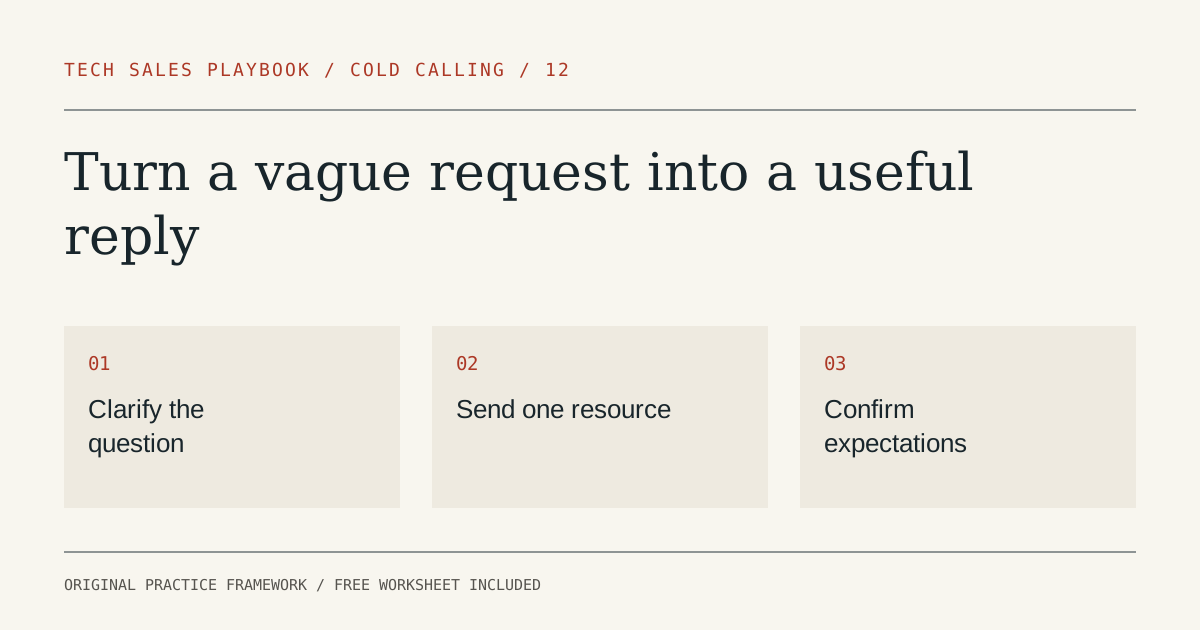
Send Me an Email
Try: Happy to. So I do not send something useless, what should I make it relevant to?
Do not fight the email request. Use it to learn.
No Budget
Try: Makes sense. Are teams still trying to solve the problem this quarter, or is it completely off the table?
Budget is often timing, ownership, or priority in disguise.
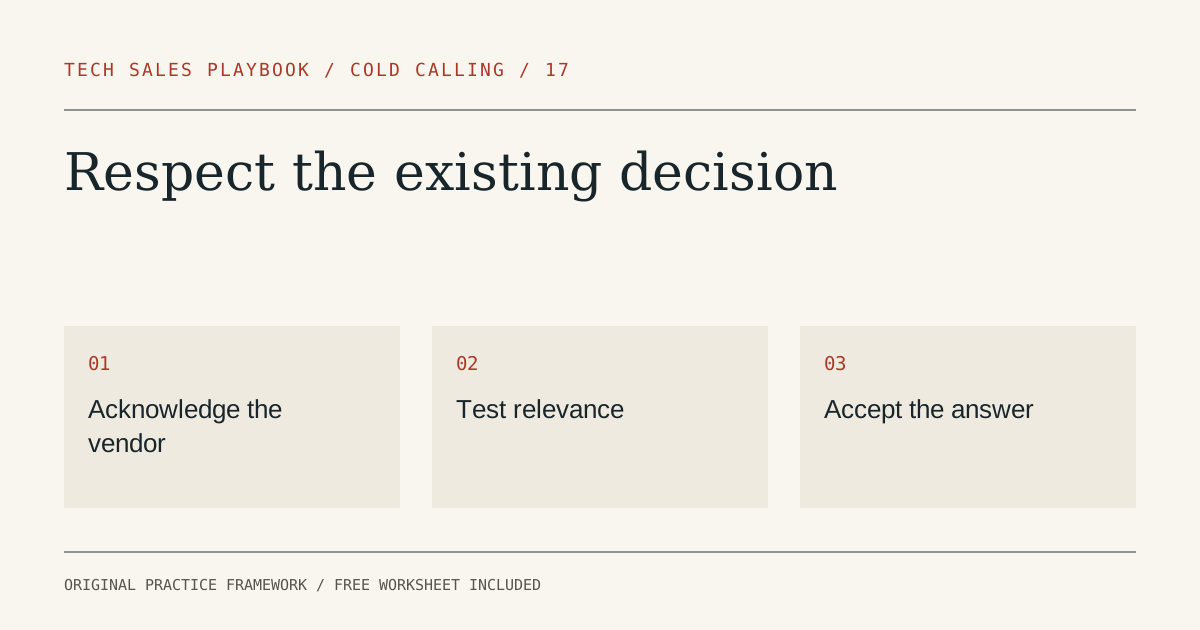
We Already Have a Vendor
Try: That is usually the case. The reason I called is that teams with a vendor still talk to us when they are trying to improve speed, cost, or adoption. Which of those matters most right now?
The Bottom Line
Great objection handling is not about clever lines. It is about emotional control, short questions, and the discipline to keep the conversation human.
Put this guide to work
The Cold Calling + Mock Call Playbook
A complete cold-call and mock-call system for SDR candidates, BDRs, and reps who need booked meetings.
$29 USD · One-time purchase · Downloadable PDF
Preview this playbookRead the sample and see what is included before you buy.
Need the broader set? Compare The Prospecting Bundle for $39. Includes this book.