Use this as a working guide, not a passive read. Skim the sections, copy the frameworks, then connect the advice to a real role, interview, call, or account you are working on this week.
Start with a free resourceDownload this guide's free practice worksheetNo signup required.
Put this guide to work
The Closing Playbook
$19 USD · One-time purchase · Downloadable PDF
Preview this playbookIf a buyer asks for a proposal before discovery is complete, ask what the document needs to accomplish. They may need a budget estimate, a comparison, or a formal offer. These require different levels of detail and approval. Do not assume the request means the buyer is ready to purchase.
HubSpot's proposal guide discusses the role of proposals in a buying process. The readiness check below is an original exercise for deciding what can be provided responsibly.
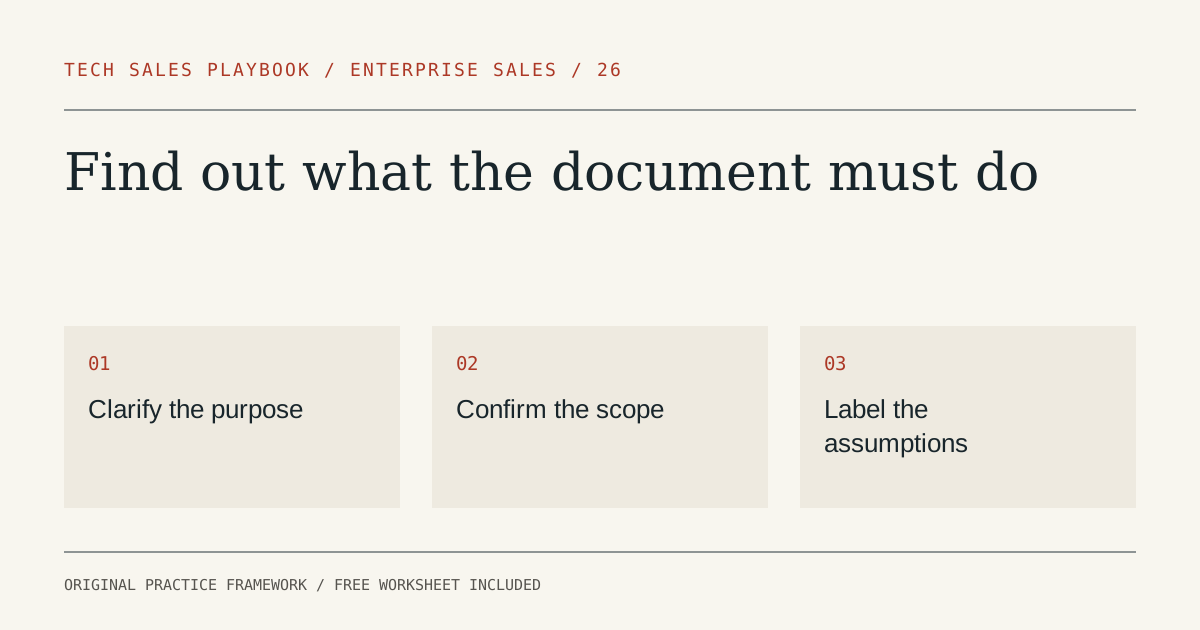
Ask about the document's job
Try: “Who will use the proposal, and what decision should it help them make?” Follow with the scope and format they need. A short budgetary estimate may be more useful than a detailed implementation promise based on unconfirmed requirements.
| Requested document | Information to clarify |
|---|---|
| Budget estimate | Intended range, scope assumptions, and approval rules |
| Product comparison | Buyer criteria and equivalent package scope |
| Formal offer | Confirmed requirements and authorized commercial terms |
| Evaluation plan | Questions, owners, evidence, and boundaries |
Original fictional response
“I can help with a budgetary view for the planning meeting. We have not yet confirmed the deployment scope, so I would label those assumptions and avoid presenting it as a final offer. Who will review it, and which decision are they trying to make?”
Use only document types and pricing information your organization permits. Calling something an estimate does not excuse inaccurate figures or terms you are not authorized to offer.
Establish a minimum readiness check
Confirm the intended audience, problem, scope, and next review step. Identify technical or service commitments that need specialist input. If the missing information could materially change the offer, explain why a short clarification is necessary.
Avoid building a large proposal simply to create the appearance of progress. A document sent without a known audience or purpose can consume substantial time while leaving the buying decision unchanged.
Agree how it will be reviewed
Ask whether the buyer wants to review assumptions together or send corrections asynchronously. Do not make a meeting a condition when a simpler exchange would answer the question. Record what was actually agreed and which items remain provisional.
For practice, take the same fictional request and produce two outlines: an early planning estimate and a formal proposal. Highlight which statements need additional validation in the second. This makes the boundary between helpful early information and an unsupported commitment easier to recognize.
Use the free worksheet
Download the when a prospect asks for a proposal too early worksheet. It opens in a spreadsheet and requires no signup. Use fictional details for practice and your approved systems for real customer or employer information.
Choose your next step
Sales Proposal Readiness: Prepare the Right Offer at the Right Stage explains the free exercise, the relevant paid resource, and who it fits. Read the product preview before deciding whether you need the broader self-study manual.
Continue with Stalled Sales Deal or No Decision? Diagnose Before Following Up Again.
Put this guide to work
The Closing Playbook
Buyer decisions, negotiation scripts, discount economics, and a clear path to signature.
$19 USD · One-time purchase · Downloadable PDF
Preview this playbookRead the sample and see what is included before you buy.
Need the broader set? Compare The Deal Execution Bundle for $39. Includes this book.