Use this as a working guide, not a passive read. Skim the sections, copy the frameworks, then connect the advice to a real role, interview, call, or account you are working on this week.
Start with a free resourceDownload this guide's free practice worksheetNo signup required.
Put this guide to work
The Outbound Playbook
$19 USD · One-time purchase · Downloadable PDF
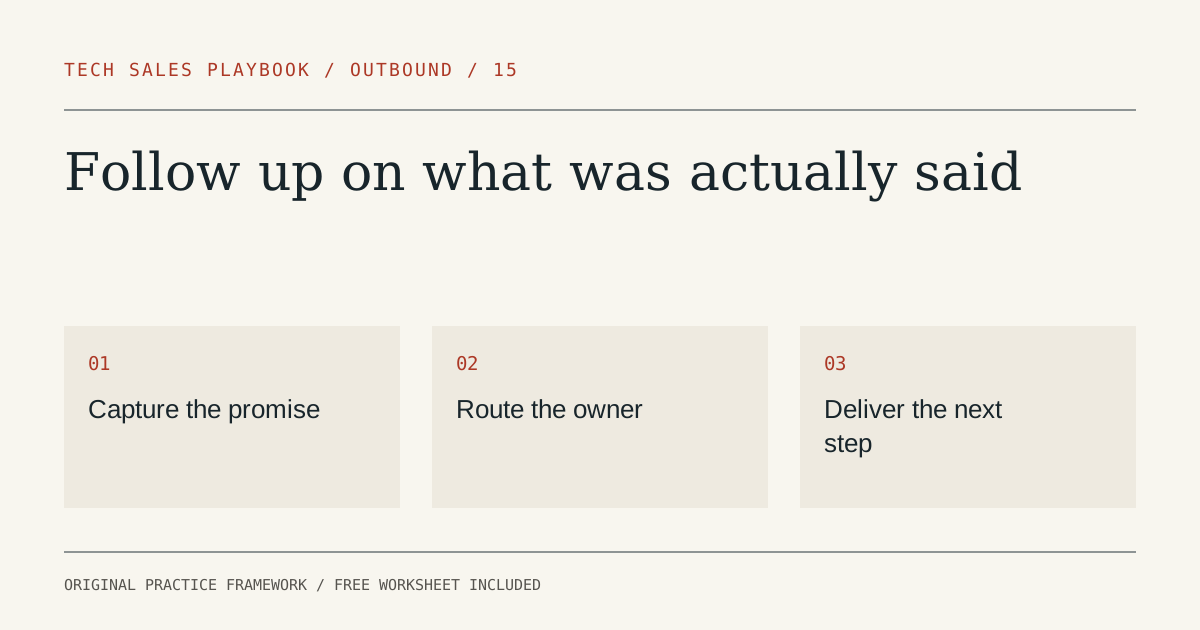
Preview this playbookA trade show follow-up works best when it continues an actual conversation. Record the question, the promise you made, and who owns the next action. A badge scan by itself does not establish a conversation, permission for every kind of outreach, or a qualified sales opportunity.
GitLab documents post-event coordination in its solutions-architecture engagement guidance. The note structure and example below are original practice material.
Capture five fields before memory fades
Write the event context, the person's question, the resource or action promised, the internal owner, and any agreed next step. Use your approved event system. Keep speculative judgments out of a customer-facing recap and avoid collecting details that have no purpose in the follow-up.
| Field | Fictional example |
|---|---|
| Context | Brief booth conversation about support operations |
| Question | How unresolved tickets change owners across shifts |
| Promise | Send the workflow diagram |
| Owner | SDR to send; technical colleague to answer permissions question |
| Next step | Recipient will review; no meeting agreed |
The last field prevents a common mistake: writing a meeting request as though it was already accepted at the booth.
Write the promised follow-up
Original example: “Morgan, we spoke at the operations event about shift handoffs. Here is the workflow diagram I promised. I have also asked our technical colleague to confirm the permissions point rather than guessing. If the diagram raises another question, reply with the step you are comparing.”
The message is useful without a hard sell because it completes the commitment. If no conversation happened, use accurate language about the event and resource rather than “great meeting you.”
Route complex questions once
Before several reps follow up, check account ownership and open opportunities. A technical request may need a specialist; a current customer may need their account team. Assign an owner and record the handoff instead of forwarding the same request without context.
Review after the event
Separate scanned contacts, substantive conversations, requested follow-ups, and agreed meetings in your report. Deduplicate people and account activity according to your team's process. A large scan count should not be described as pipeline.
For a practice drill, give a colleague only your five-field note and ask them to write the email. If they must invent the reason for contacting the person, the note is incomplete. Fix the capture process before increasing the volume of post-event messages.
Use the free worksheet
Download the trade show sales follow-up worksheet. It opens in a spreadsheet and requires no signup. Use fictional details for practice and your approved systems for real customer or employer information.
Choose your next step
Trade Show Prospecting Follow-Up With Better Conversation Notes explains the free exercise, the relevant paid resource, and who it fits. Read the product preview before deciding whether you need the broader self-study manual.
Continue with Closed-Lost Reengagement Email: Find a Real Reason to Reopen.
Put this guide to work
The Outbound Playbook
Build relevant outreach and measure the response with clear definitions.
$19 USD · One-time purchase · Downloadable PDF
Preview this playbookRead the sample and see what is included before you buy.
Need the broader set? Compare The Prospecting Bundle for $39. Includes this book.