Use this as a working guide, not a passive read. Skim the sections, copy the frameworks, then connect the advice to a real role, interview, call, or account you are working on this week.
Start with a free resourceBuild your free demo rehearsal briefNo signup required.
Put this guide to work
The Tech Sales Interview Playbook
$29 USD · One-time purchase · Downloadable PDF
Inspect the sample and contentsTechnical support can provide relevant experience for solutions engineering: investigating problems, explaining system behavior and working with customer administrators. The transition still requires evidence that you can operate in an evaluation conversation, where the customer is deciding whether a proposed solution fits.
Start with specific openings rather than assuming the title has a universal meaning. Some jobs emphasize product demonstrations; others require deeper integration, architecture or industry knowledge. Read the responsibilities and requirements together, then identify which you can support with real examples.
Make a transfer-and-gap map
Use three columns: requirement, evidence you already have and evidence still needed. Write the boundary of each example. A support escalation can demonstrate technical diagnosis without proving that you led commercial discovery.
| Existing experience | Relevant evidence | Gap to investigate |
|---|---|---|
| Reproducing a customer issue | Structured diagnosis and technical explanation | Framing an evaluation before implementation |
| Training an administrator | Audience-aware communication | Building a demonstration around a buying decision |
| Escalating to engineering | Clear reproduction steps and cross-team work | Coordinating technical risk with an account team |
| Writing support documentation | Precise, reusable explanations | Presenting tradeoffs live under questions |
Do not treat every gap as a reason to buy a certification. First determine what the target employer actually asks candidates to demonstrate. A credential may be relevant for one opening and peripheral to another.
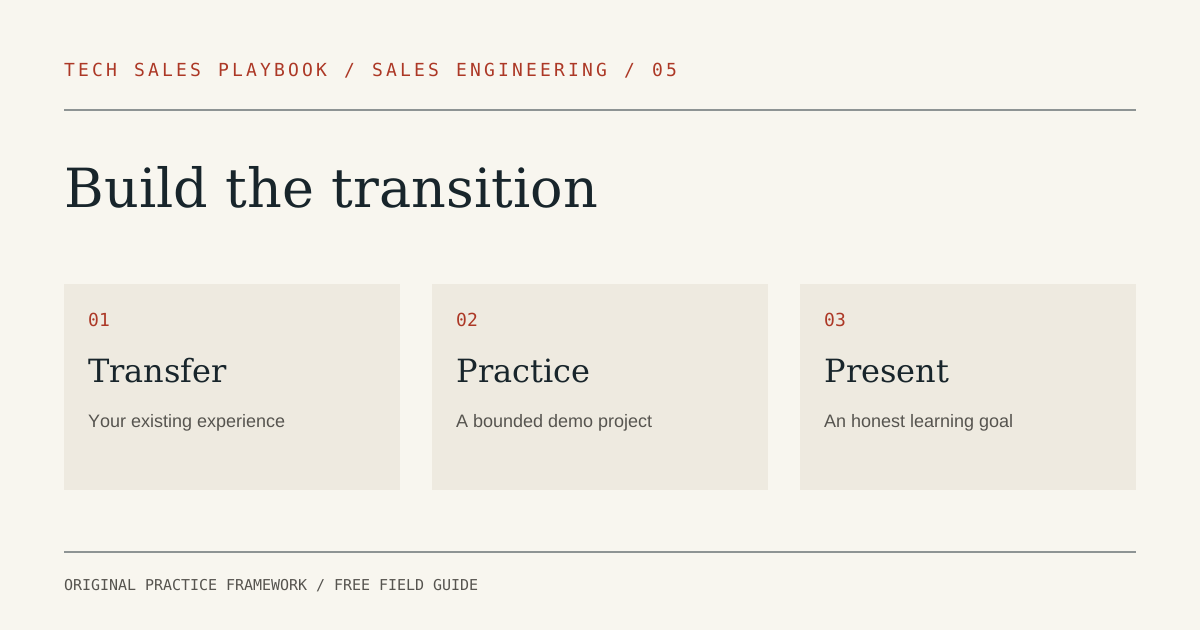
Build one bounded practice project
Choose a product you are permitted to use in a personal sandbox. Define a fictional customer, one workflow and a question the demonstration should answer. Keep the project small enough that you can explain every meaningful configuration choice.
For example, a fictional support operations lead wants to see how ticket ownership survives a shift change. Prepare synthetic tickets, a simple assignment workflow and an exception case. Write down the starting condition, observed result and questions that your sandbox cannot answer.
The deliverable is a brief, a short walkthrough and a limitations note. Label it as independent practice on your resume or portfolio. Do not add a fabricated employer, customer logo, revenue figure or production usage claim to make it appear more established.
Practice discovery as well as explanation
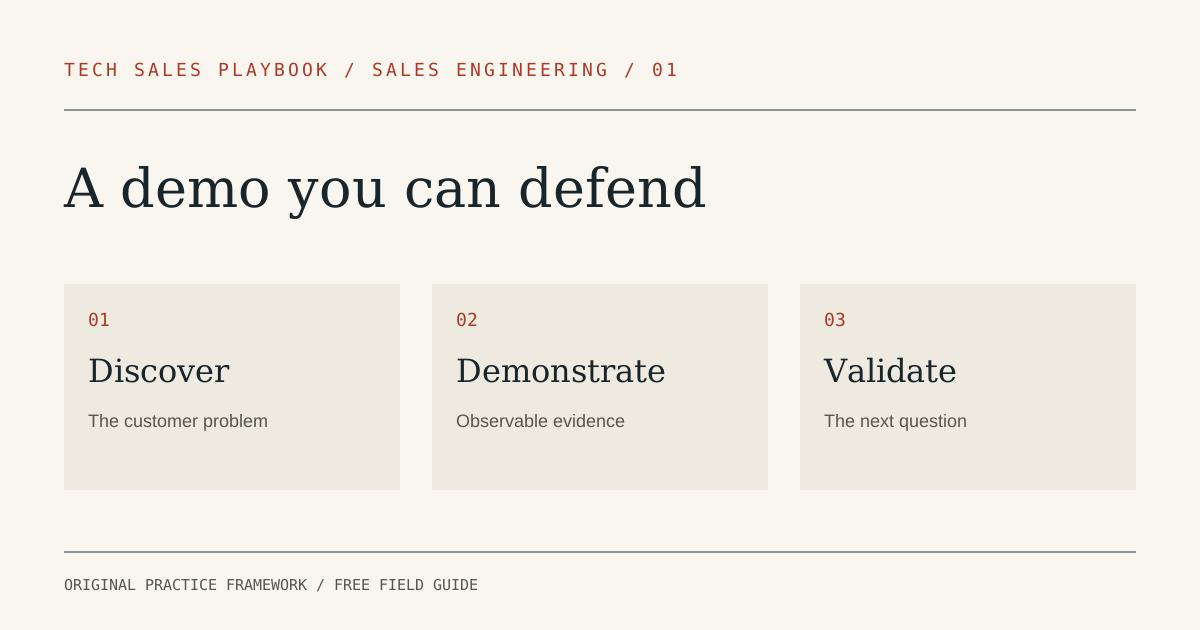
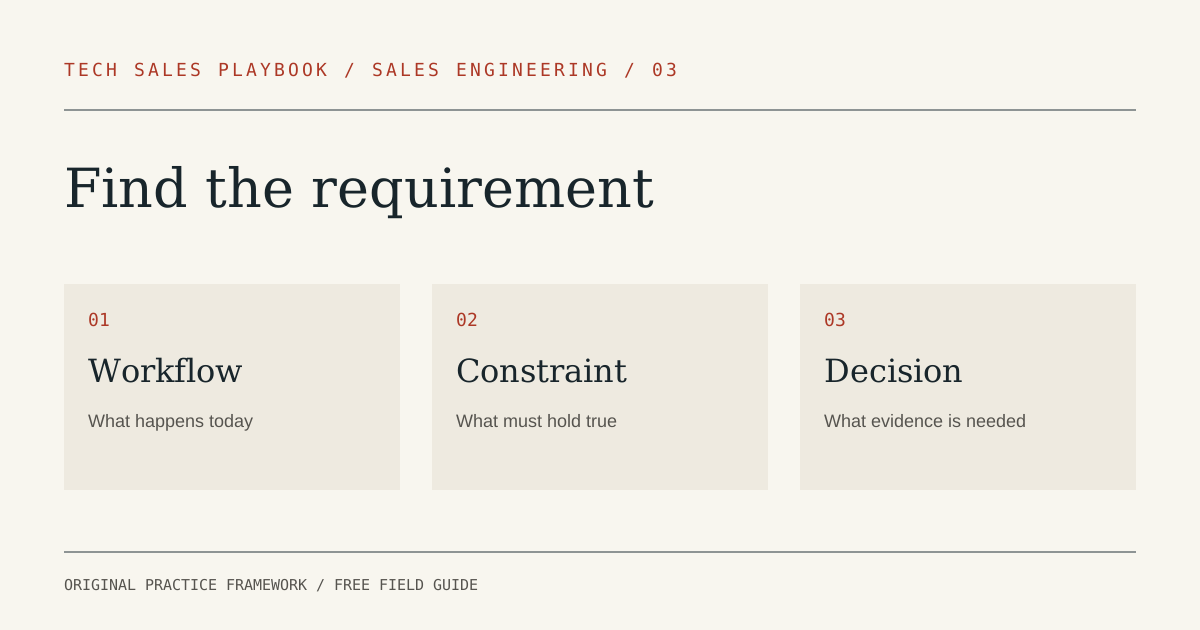
In support work, the immediate task may arrive as a reported issue. In an evaluation, you may need to clarify the problem and decision before proposing what to show. Practice asking a question that changes your demo plan.
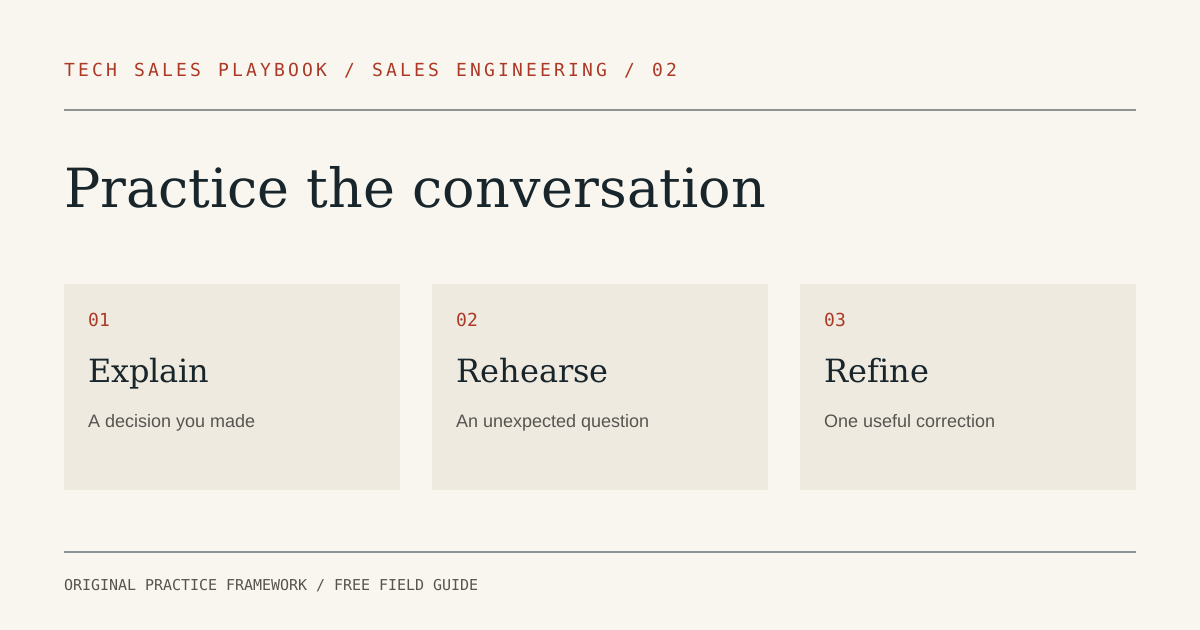
Have a partner play a stakeholder who requests a dashboard. Investigate what decision the dashboard supports and what is difficult about the current workflow. Then explain whether your prepared example answers that need or whether you should change the scope. Use the discovery questions to structure the conversation.
Describe the transition plainly
An original practice introduction might be: “My support work has focused on reproducing integration issues and explaining them to administrators. I want to apply that technical communication earlier in the customer decision. I have built a sandbox demonstration to practice discovery and presentation, and I am looking for a role where I can develop those skills with feedback.”
Adapt the statement to your experience. It identifies both relevant evidence and a learning goal. It does not turn support tenure into presales tenure.
Run a focused application cycle
Select a small set of openings with requirements you can assess. Tailor your resume evidence, inspect the interview instructions and track which gaps recur. Ask prospective teams how solutions engineers partner with account executives, what technical depth is expected at entry and how ramp is supported.
Use the resume examples to revise a draft and the demo planner to prepare the work sample. The existing sales-engineer 30-60-90 plan can help you frame onboarding questions. None of these exercises guarantees an interview; their purpose is to make your evidence easier to inspect.
Put this guide to work
The Tech Sales Interview Playbook
Build the underlying sales conversation and preparation skills. This existing sales guide complements the SE exercises; it is not product-specific technical training.
$29 USD · One-time purchase · Downloadable PDF
Inspect the sample and contentsRead the sample and see what is included before you buy.