Use this as a working guide, not a passive read. Skim the sections, copy the frameworks, then connect the advice to a real role, interview, call, or account you are working on this week.
Start with a free resourceDownload this guide's free practice worksheetNo signup required.
Put this guide to work
The Outbound Playbook
$19 USD · One-time purchase · Downloadable PDF
Preview this playbookA webinar follow-up should reflect what the person actually did. Attendance, registration, and a question are different signals. Use verified participation data and your approved contact rules, then offer material that relates to the session. None of these actions alone establishes an active purchase project.
GitLab's sales-development handbook includes event follow-up. The segmentation and fictional messages here are an original workflow you can adapt to your team's process.
Separate the three starting points
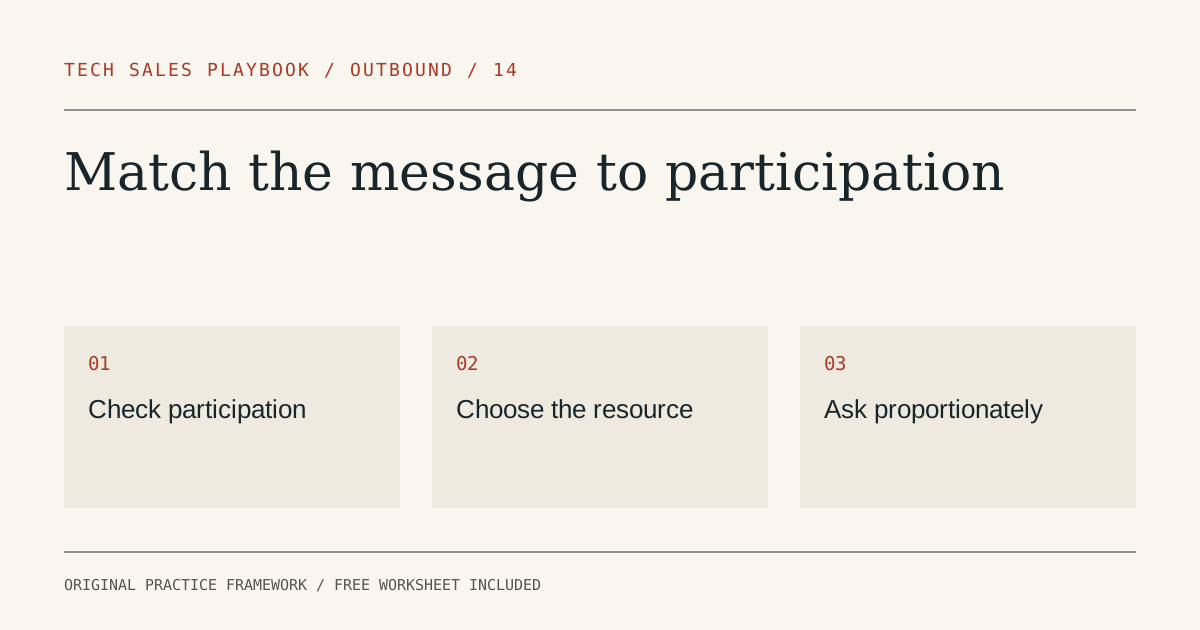
For an attendee, refer to the session topic without claiming you know how long they watched unless that detail is both reliable and useful. For a registrant who missed it, offer the recording without pretending you met. For a person who asked a question, answer that question before making a meeting request.
| Participation | Original message opening |
|---|---|
| Attended | “Here is the handoff checklist from the support-operations session.” |
| Registered, did not attend | “If you still want the session, the recording is available here.” |
| Asked a question | “You asked how ownership changes across shifts; this example shows that step.” |
Use real approved links in actual outreach. Do not fabricate a resource because it would make the email sound more helpful.
Make the ask smaller than the assumption
Original fictional follow-up: “The worksheet includes a section for unresolved tickets at shift change. Is that a workflow your team is reviewing, or was the session mainly general research?” The question gives the recipient room to describe their situation rather than forcing a demo invitation onto an educational interaction.
If they identify an active question, clarify what they need before choosing a next step. If they only want the recording, deliver it without adding an unrelated qualification questionnaire.
Coordinate the campaign
Check whether marketing has already sent the promised materials and whether an AE owns an existing conversation. Avoid simultaneous messages that repeat the same offer or contradict each other. Keep the record of participation distinct from the sales response.
Review the right outcomes
Track resource requests, replies, and explicitly agreed conversations separately. A recording click is not a meeting, and a meeting is not a sale. Review whether your messages matched the participation state and whether the resource actually answered a question.
For practice, write the same campaign three ways using the table. Remove any sentence that would be false for a registrant who never attended. This simple check often catches the weakest part of a generic event sequence before it reaches anyone.
Use the free worksheet
Download the webinar follow-up emails for sdrs worksheet. It opens in a spreadsheet and requires no signup. Use fictional details for practice and your approved systems for real customer or employer information.
Choose your next step
Webinar Lead Follow-Up for Relevant SDR Conversations explains the free exercise, the relevant paid resource, and who it fits. Read the product preview before deciding whether you need the broader self-study manual.
Continue with Trade Show Sales Follow-Up: Turn Booth Notes Into a Relevant Email.
Put this guide to work
The Outbound Playbook
Build relevant outreach and measure the response with clear definitions.
$19 USD · One-time purchase · Downloadable PDF
Preview this playbookRead the sample and see what is included before you buy.
Need the broader set? Compare The Prospecting Bundle for $39. Includes this book.